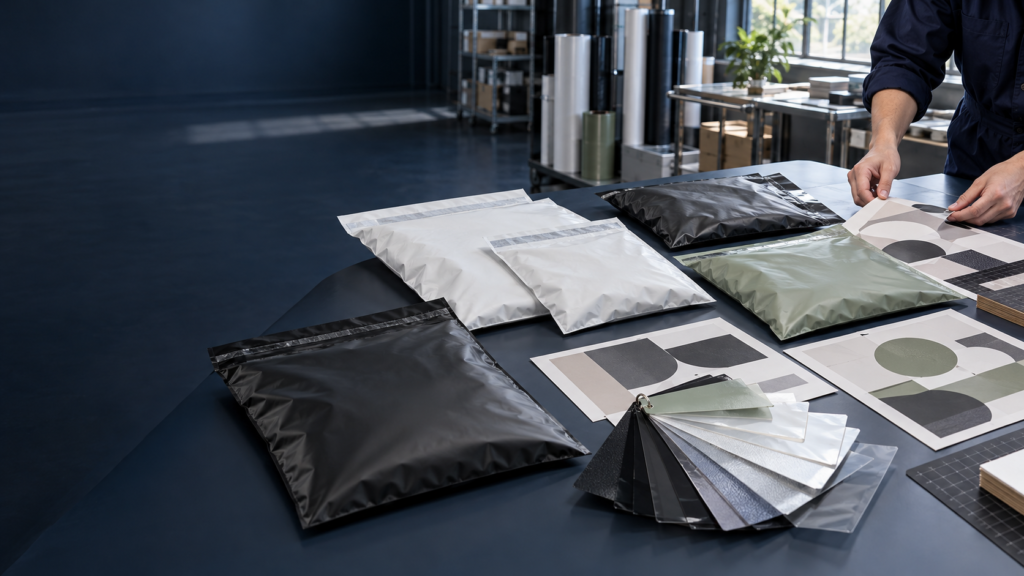

Film handling
The film structure and specification are set around the intended packing requirement.

Self-sealing mailers for retail, e-commerce and fulfilment. Define your size, material and print, then build a clear brief for bulk supply.
From film handling to bag conversion and final packing: a closer look at the stages behind a self-sealing mailer.

The film structure and specification are set around the intended packing requirement.
Film is formed and sealed to the agreed dimensions and closure configuration.
Dimensions, appearance and packing are reviewed against the approved specification.
Compare appearance and packing requirements, then confirm material, size and quantity for your project.
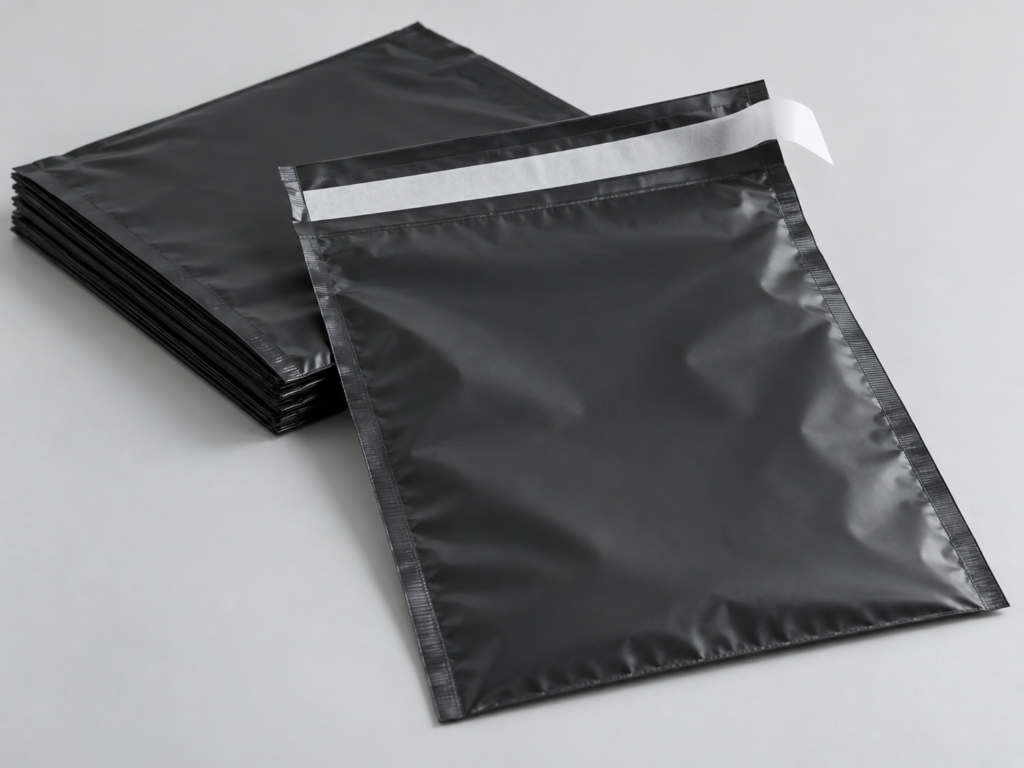
An opaque outer pack for clothing, accessories and other non-fragile goods.
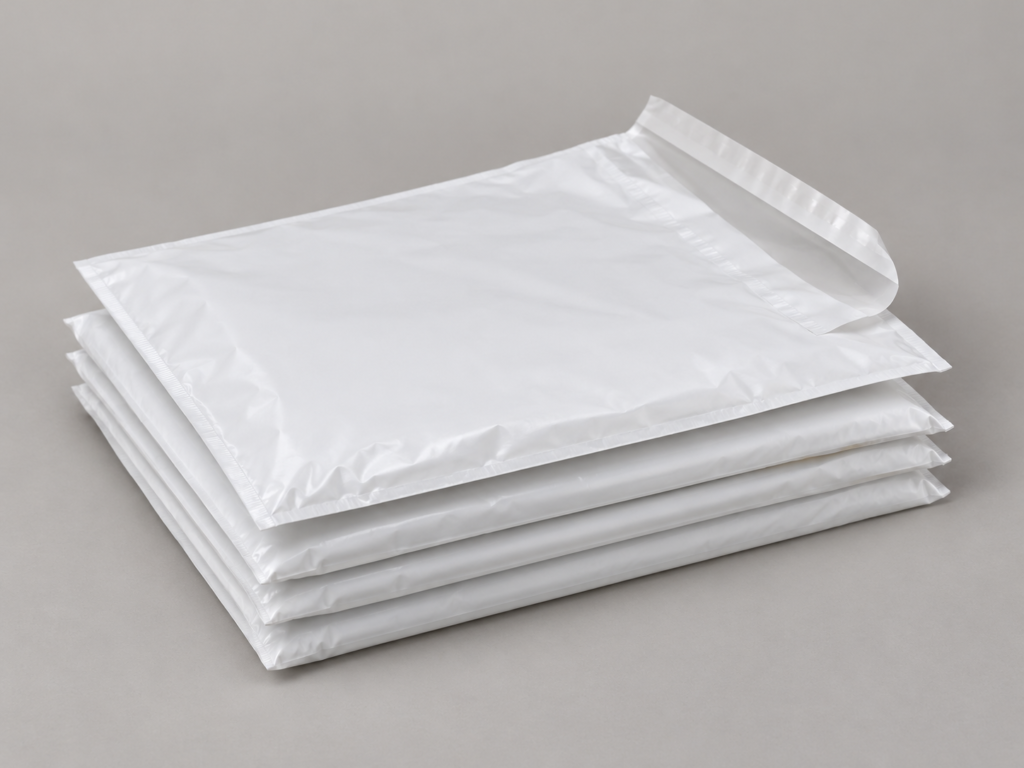
A clean outer surface for shipping labels and your packaging identity.
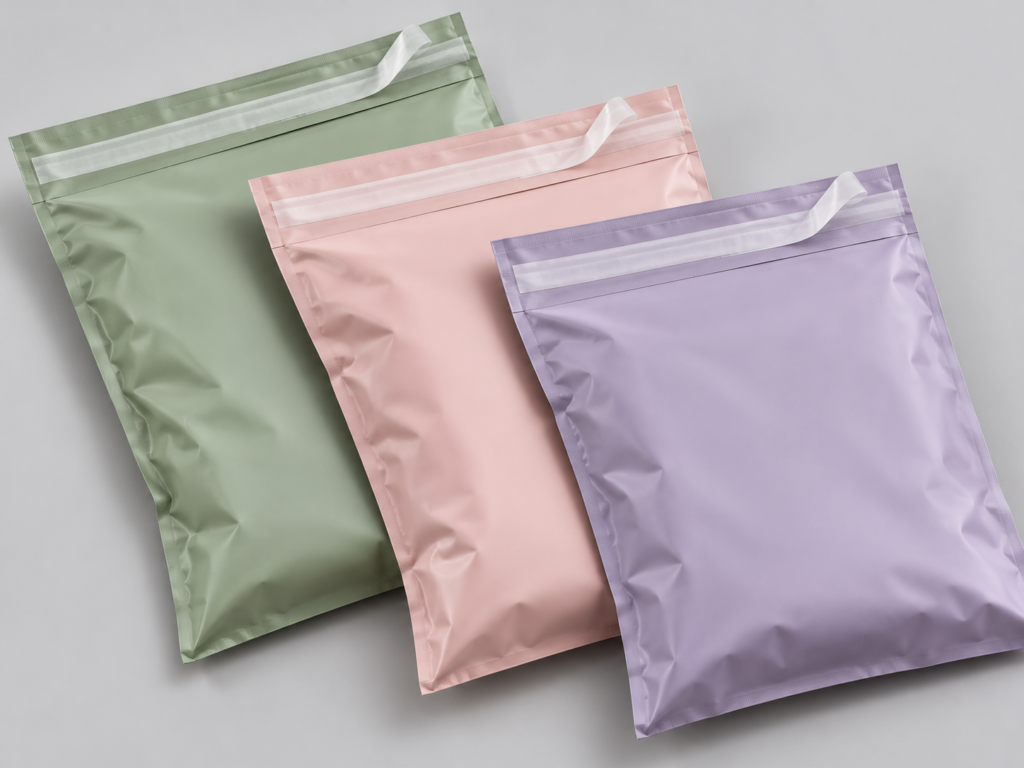
Explore a colour direction that fits your brand and fulfilment operation.
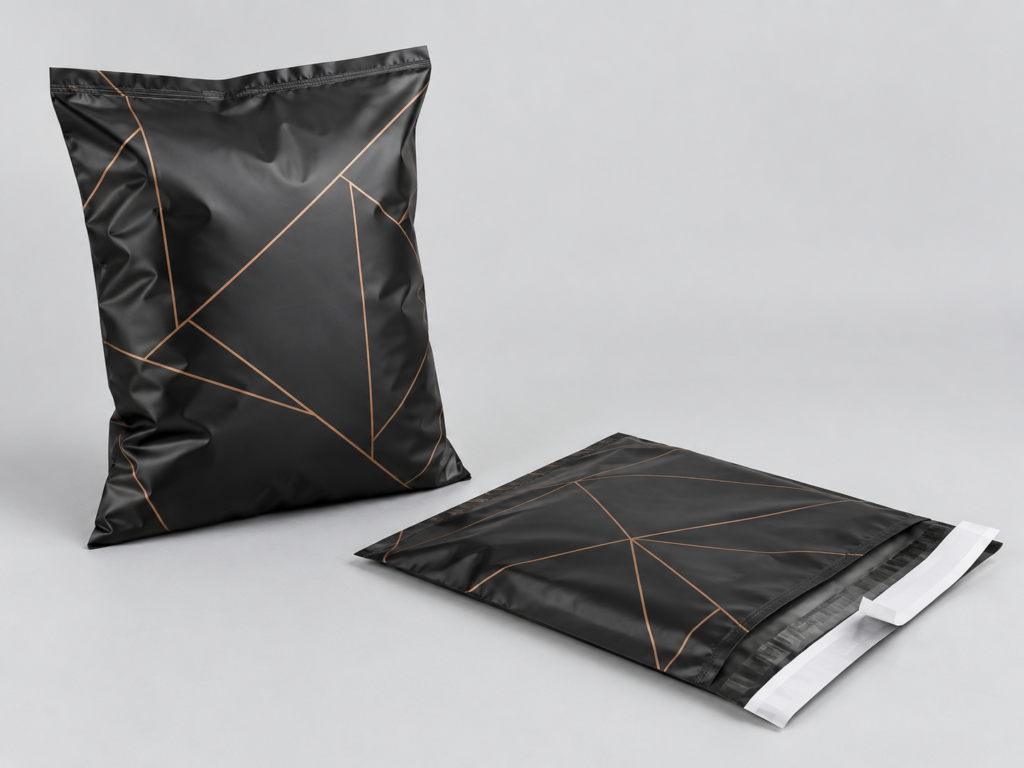
Plan artwork, print coverage and bag dimensions as one specification.
Specify the bag around the product, the packing line and the journey to the customer.
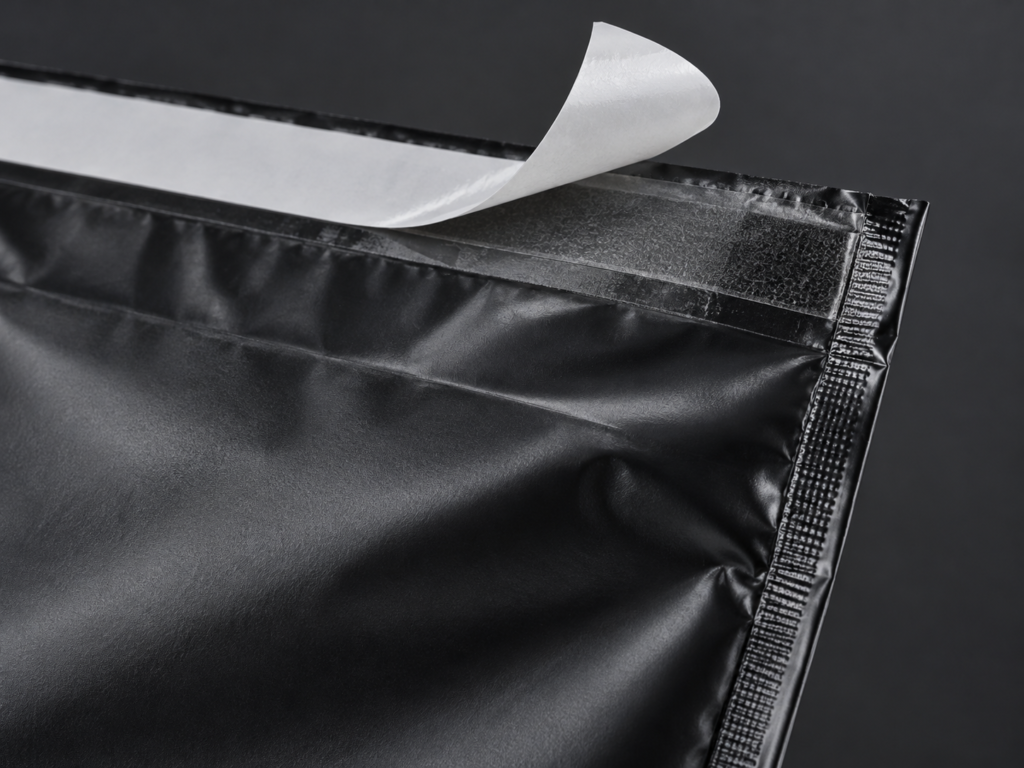
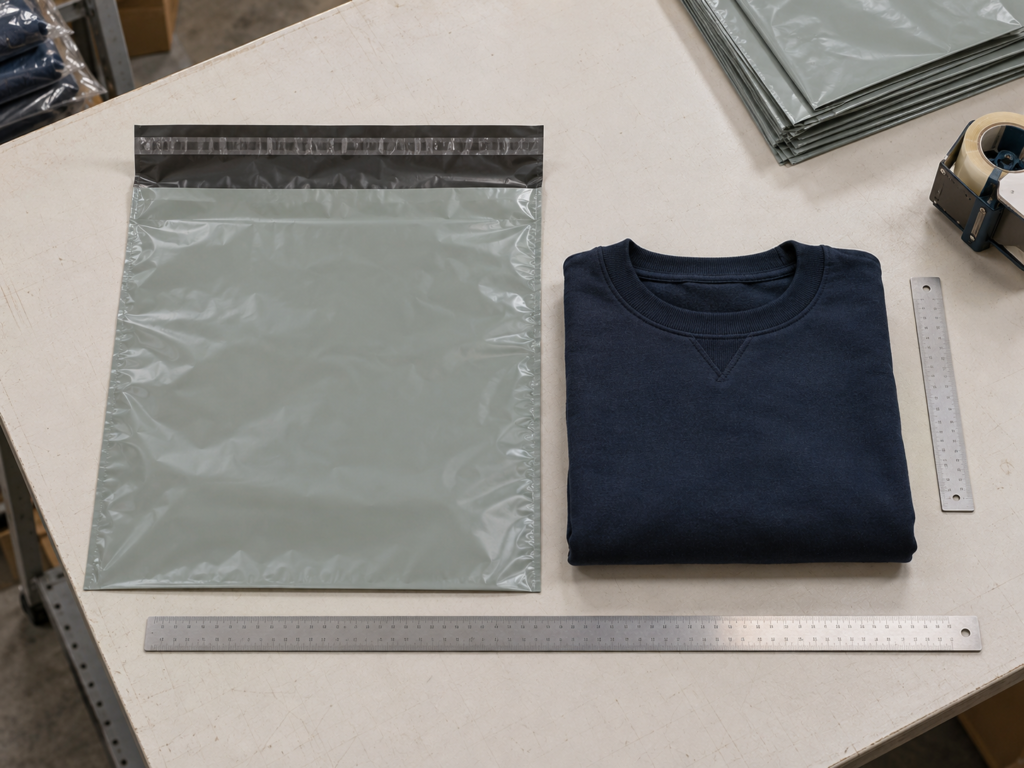
A peel-and-seal flap brings the closure into the bag itself. Match the adhesive, release liner and flap length to the way your team fills, closes and stores each parcel.
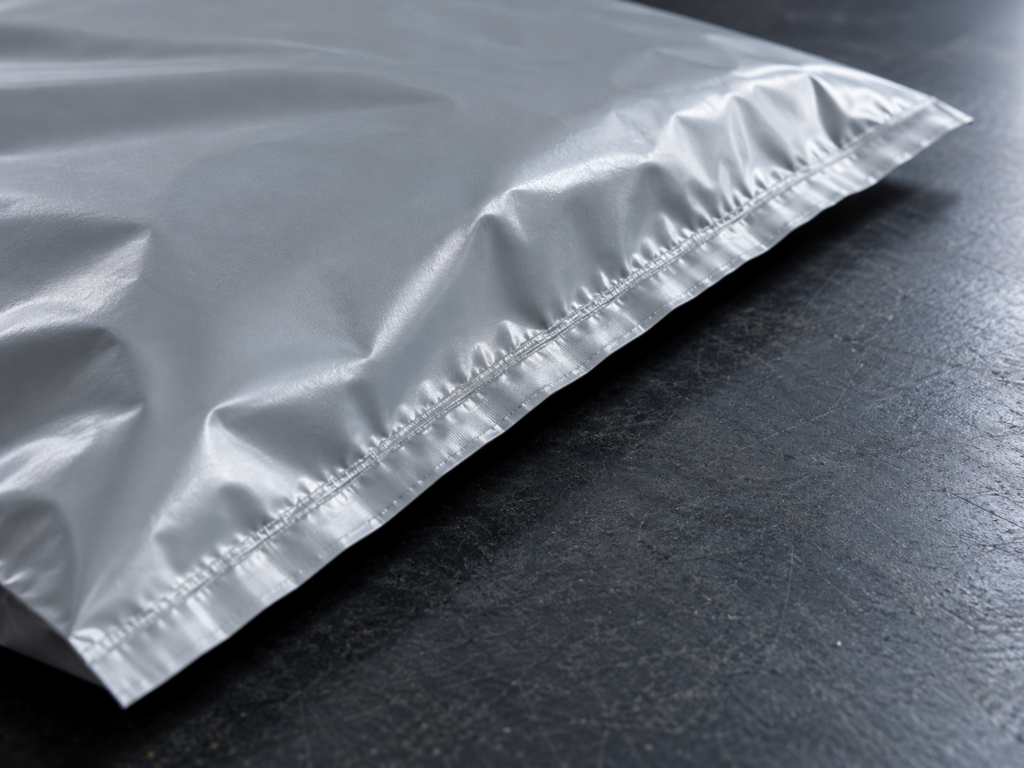
Side seams are part of the complete bag construction. Review the film, seam width and packed load together, particularly where corners or uneven contents put pressure on the edges.
An opaque outer pack helps conceal the product inside. Film colour and construction affect the result, so assess a filled sample under the lighting and handling conditions relevant to your shipment.
Start with the item in its final folded or boxed condition. Keep usable bag dimensions separate from the closure flap, allowing room to insert the product and close the bag without strain.
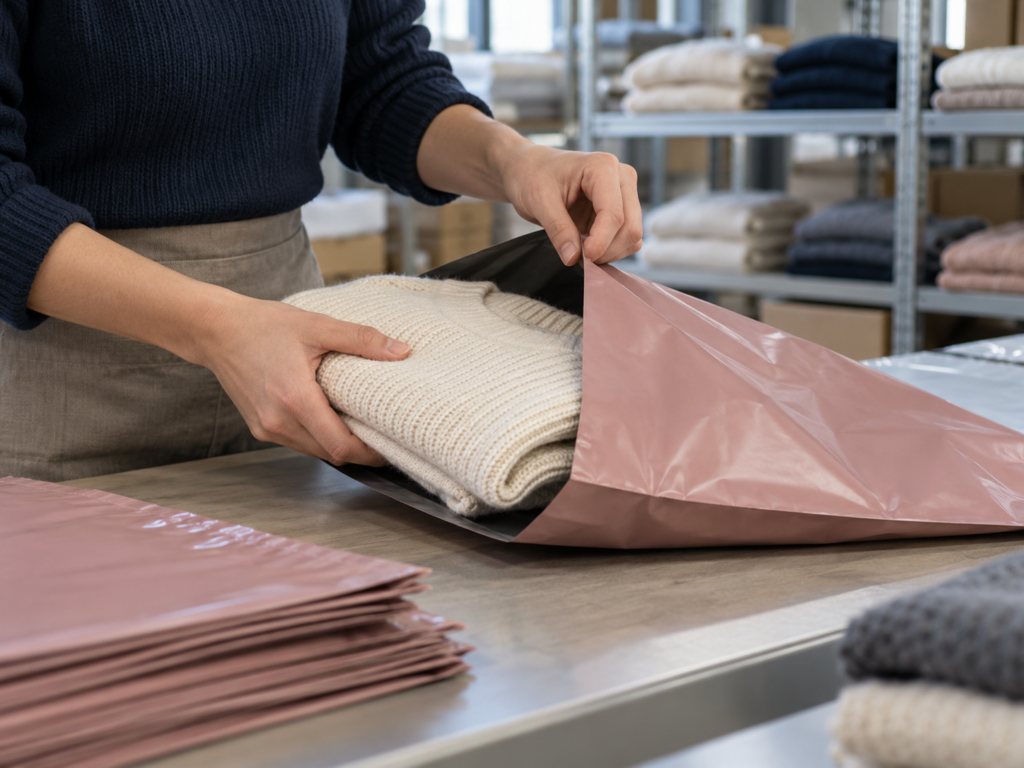
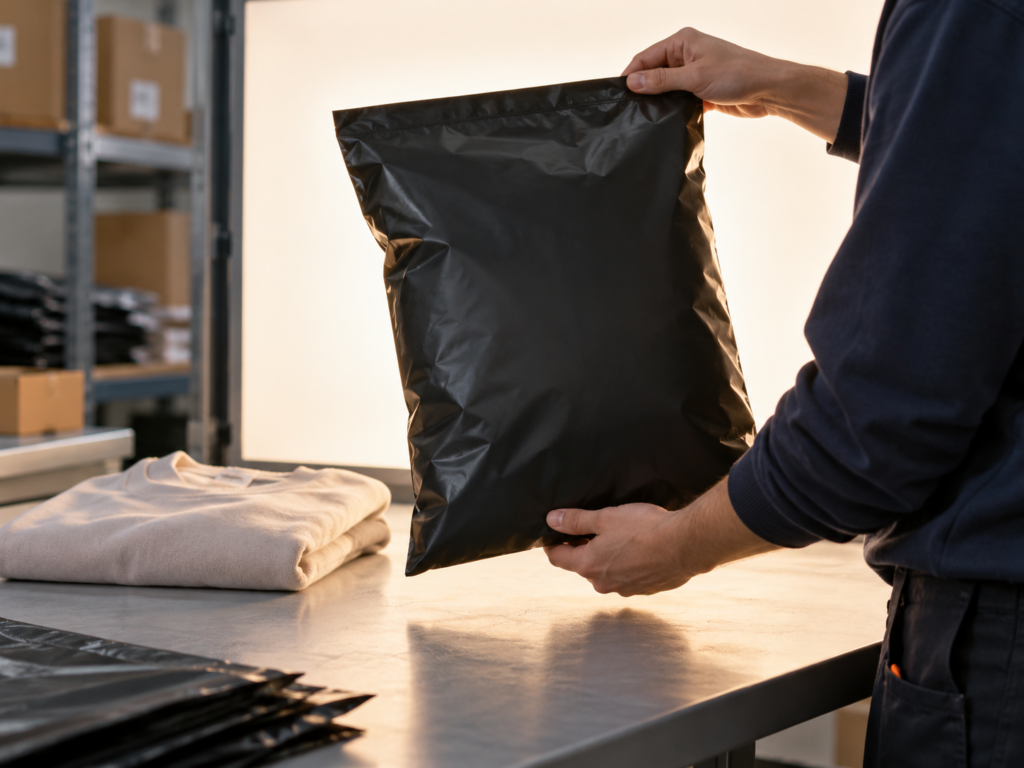
Clothing, knitwear and soft accessories need a practical outer pack that suits the folded product. Build the brief around presentation, privacy and the way your team handles individual orders.
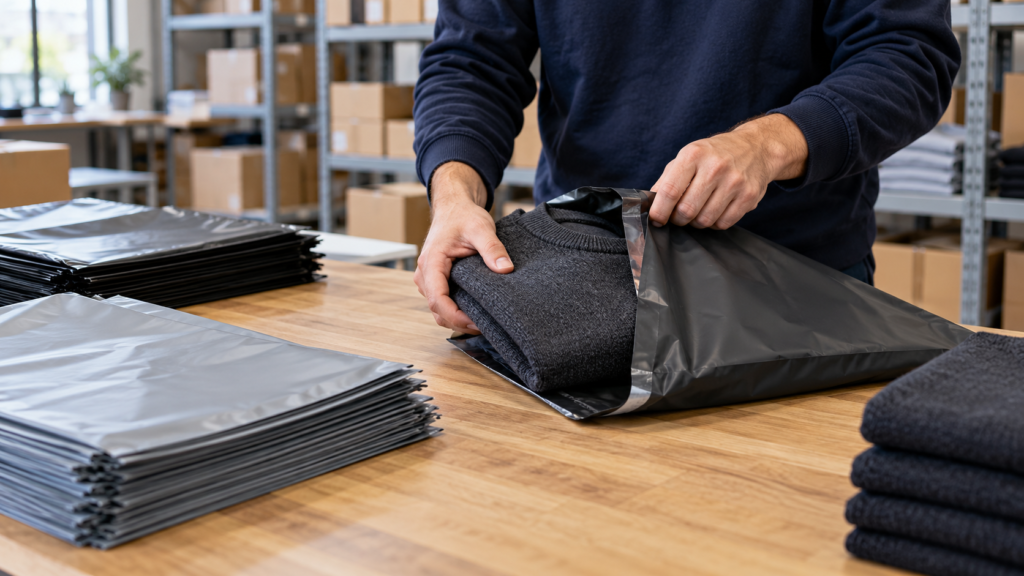
A useful mailer range follows your product assortment. Plan a manageable set of sizes, leave a clear area for shipping labels and check how printed branding works across different order formats.

Postal bags, courier bags and mailing bags can describe overlapping uses. State the contents, packing method and carrier requirements so the actual construction is clear before a quotation is prepared.

For fulfilment teams, packaging has to fit the workflow as well as the product. Consider bag opening, sealing, labelling and replenishment together when planning recurring wholesale supply.
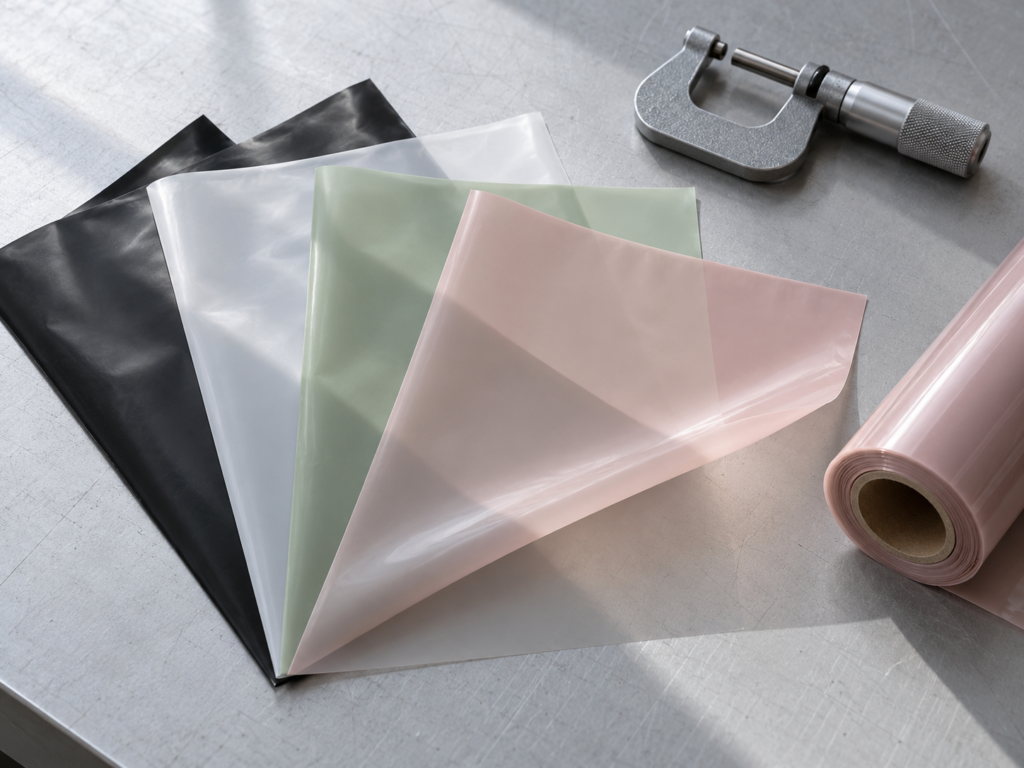
Film thickness is one part of the specification. Review the material structure against the contents, load, opacity and closure requirements, then assess a finished sample before approving bulk supply.
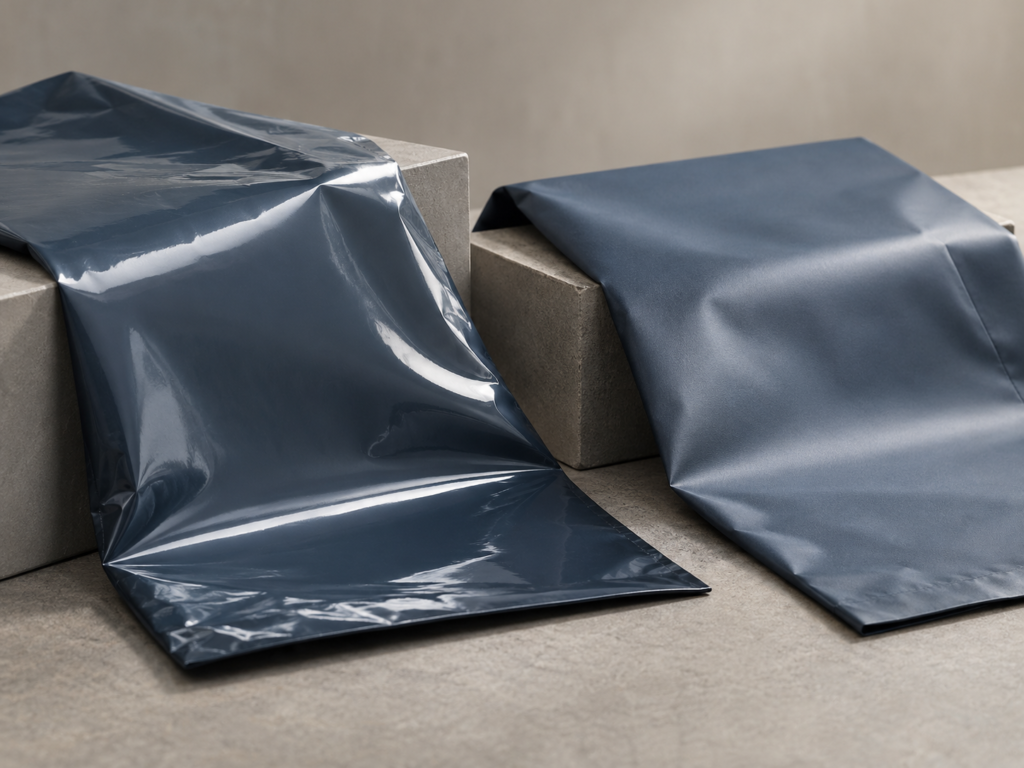
A matt or gloss finish changes the feel and appearance of the pack. Use a physical reference where colour matters, and consider the underlying film and final print together during sample review.
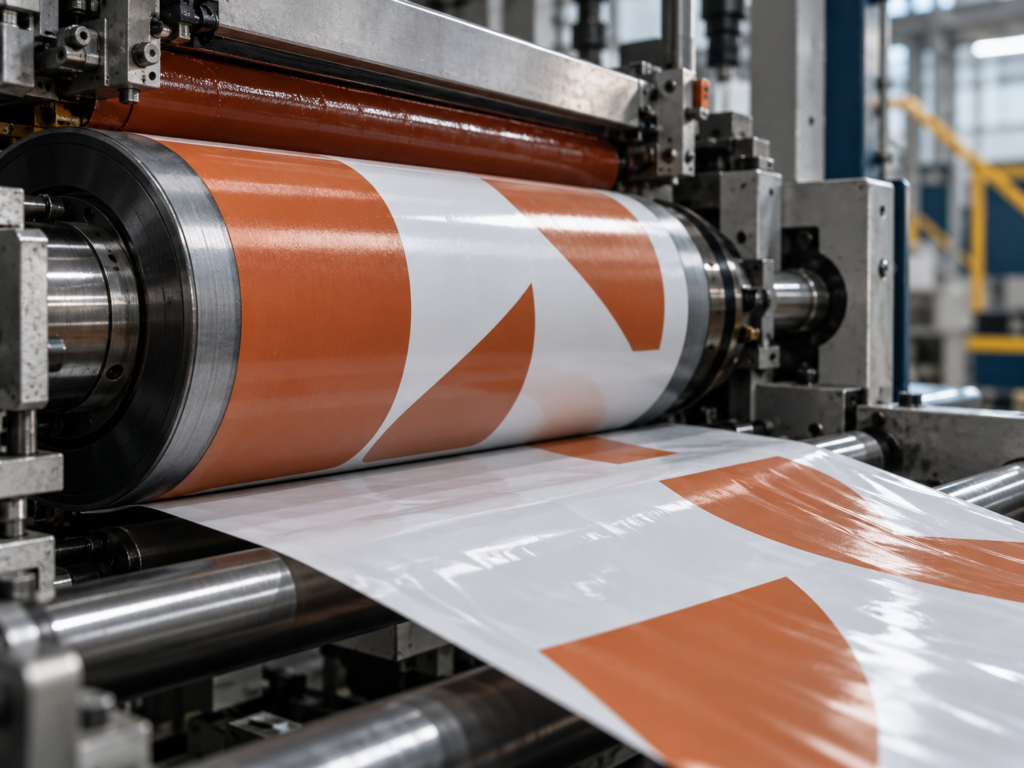
Bring artwork, print area and bag dimensions into one review. A proof should show where the design sits relative to seams, the flap and the label area before a printed sample is agreed.
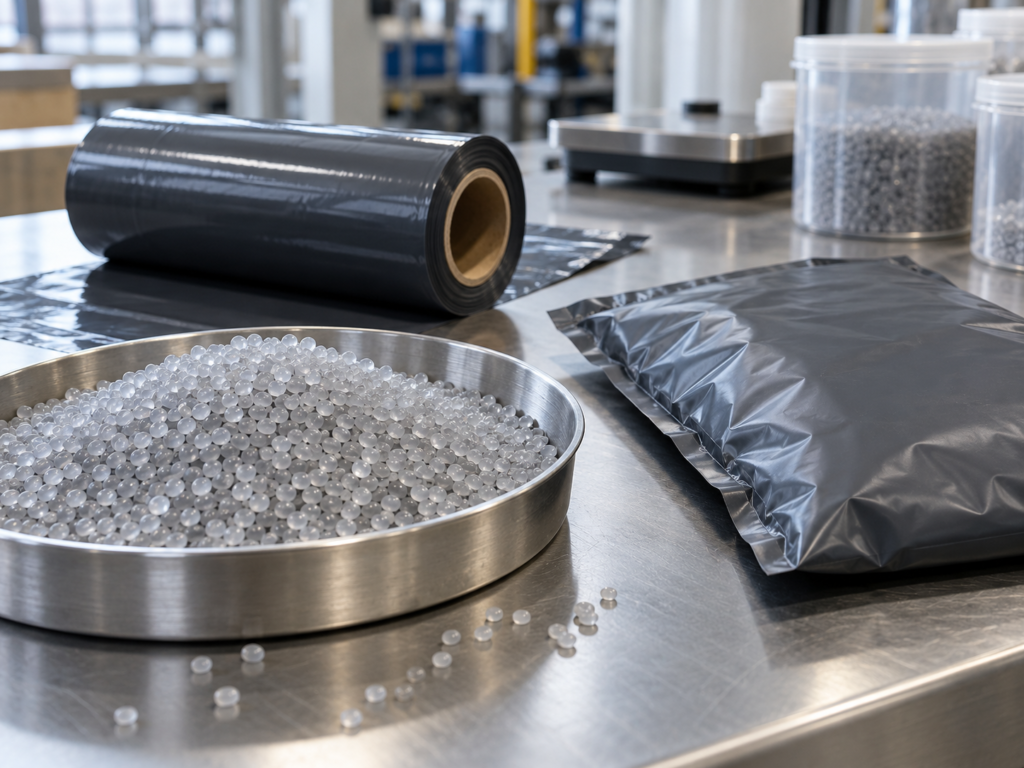
If recycled content is part of your brief, define the requested proportion and the supporting documentation you need. Review appearance and performance on the proposed material before approving it.
Product, usable bag size, quantity, artwork and delivery destination.
Agree the material, thickness, closure, print and packing requirements.
Check fit and finish. Distinguish a digital proof from a physical sample.
Record the approved specification and order-specific production schedule.
Check the finished packing and shipping details against the agreed order.
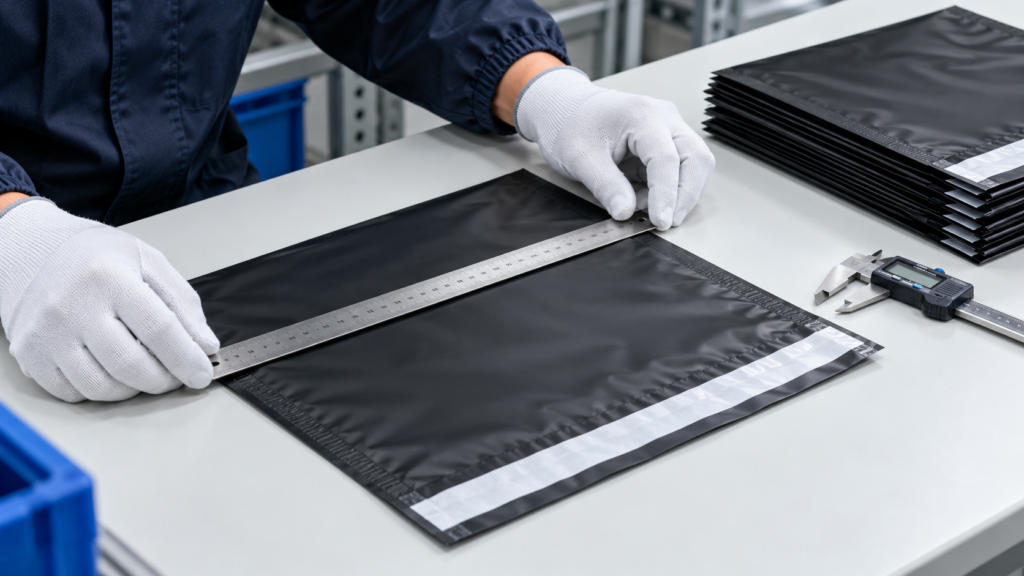
Review usable width, length and flap allowance against the agreed specification. An empty bag measurement should be supported by a packed sample where product fit is important.

Check the adhesive closure and converted seams against the intended use. Agree a suitable inspection or test method for the order, including how samples are conditioned and assessed.
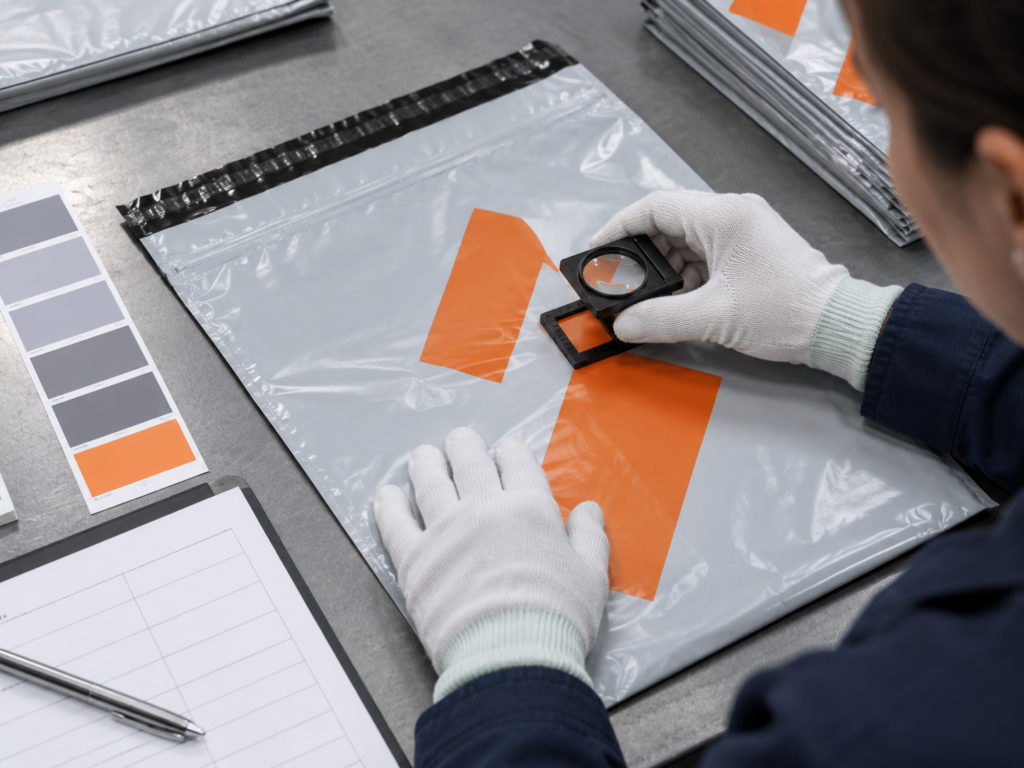
Compare finished print with the approved reference. Review colour, placement, registration and surface appearance, keeping functional areas such as labels and closures in the inspection plan.
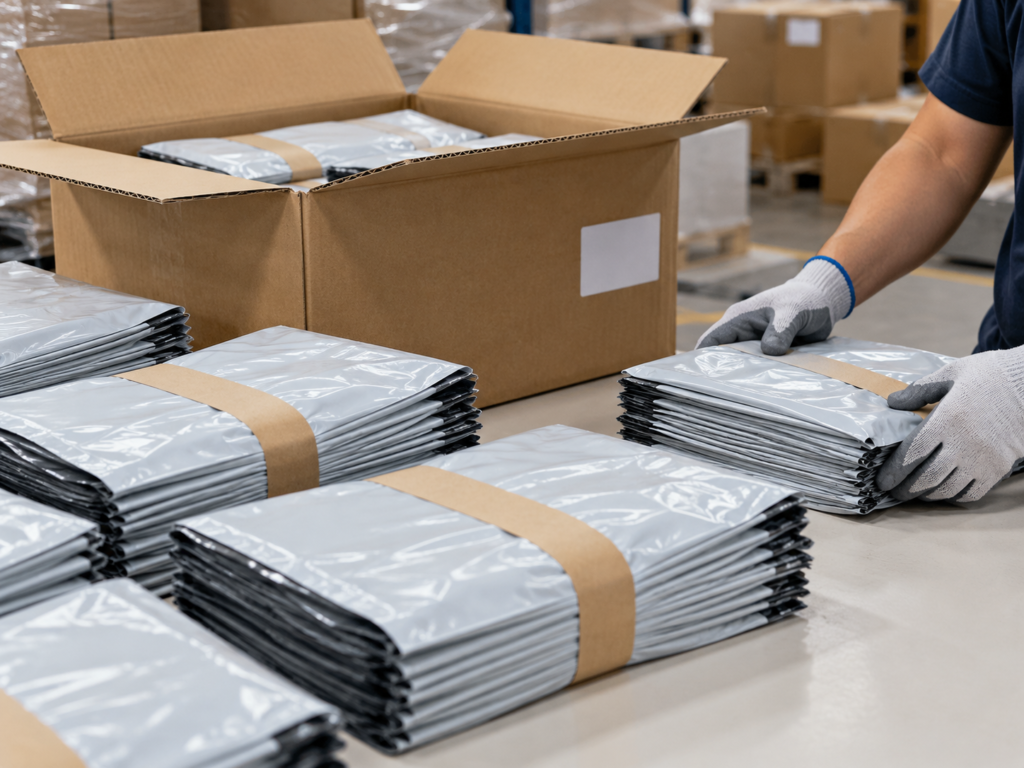
Finish the order brief with the packing details your receiving team needs. Clear bundle counts, carton marks and specification identification support checking and storage on arrival.
These names can describe overlapping dispatch uses. Specify the bag construction and intended shipment rather than relying on the name alone. If you need postal sacks or padded protection, state that separately.
Include the quantity per size and artwork, expected reorder pattern and delivery destination. Minimum order quantities, pricing and lead times need confirmation against that specific brief.
A stock sample helps assess an existing format. A digital proof checks artwork layout. A custom physical or pre-production sample checks the specified construction and print. Confirm which stage is included.
Measure the actual packed product, allowing for thickness and handling clearance. Keep the closure flap separate from usable bag length, and review fit with a sample before approving production.
Start with the product you are packing, the usable bag width and length, closure flap, quantity per size and delivery destination. Add the material or thickness if known, plus print colours, artwork and any packing requirements. A photo of the packed item or an existing sample can help explain the application.
If the specification is still open, describe the product weight, dimensions and dispatch process. The quotation should identify the agreed specification, sample scope, setup charges and shipping basis so different options can be compared fairly.
Measure the product in the condition in which it will be shipped, including tissue, an inner bag, cushioning or a small box. Allow space for the product thickness and for your team to insert it without pulling the film tight. State usable width and usable length separately from the adhesive flap.
A flat bag measurement alone does not establish fit. Review a physically packed sample and check that the flap closes fully, the seams are not strained and the shipping label has a suitable clear area.
These terms often overlap when describing flexible outer bags for parcel dispatch. The name alone does not define material, dimensions, padding, closure or load suitability. A useful enquiry describes both the construction and the delivery application.
Clarify whether you mean individual self-sealing mailers, padded envelopes, reusable transport sacks or another format. Postal sacks for consolidated mail and bags used by delivery riders are different requirements and should be specified separately.
Choose around the packed product, weight, handling route and required appearance. Film thickness should be reviewed alongside material structure, opacity, seams and closure performance; a thicker film alone does not guarantee the right pack. State the thickness unit and whether you are referring to a single film wall.
Where no specification exists, share an existing bag or describe the performance you need. Compare proposed samples using the actual contents and agree the material, dimensions and acceptance criteria before placing the bulk order.
Include each size, base colour and artwork version in your enquiry. For printed mailing bags, supply the design files, colour references, intended print sides and coverage, and identify any area that must remain clear for labels or sealing.
Feasibility, printing method, minimum quantity and setup charges depend on the final specification. Review a proof for placement and dimensions, then agree whether a physical printed sample is needed for colour, surface appearance and construction approval.
A stock sample helps you assess an existing format or material. A digital proof checks artwork positioning and layout, but does not demonstrate physical bag strength, colour on the actual film or packed fit. A custom physical sample or pre-production sample can address the agreed construction and print requirements.
State what you want to approve and which features must match production. Confirm sample availability, cost, quantity, timing and shipping separately, and keep the approved sample or proof linked to the final specification.
There is no single minimum that applies to every material, bag size and print design. Request the minimum and price for each specification, including whether quantities can be combined across sizes or artwork versions. Standard and custom printed formats may have different requirements.
For recurring supply, provide both the first order quantity and your expected reorder pattern. Compare unit prices together with setup charges, sample costs, carton quantities and delivery costs. The applicable minimum must be confirmed in the quotation.
Include the requested recycled-content proportion and the evidence required by your purchasing team. Ask how the claim is defined and which documentation supports the proposed material. Colour, appearance and performance should be reviewed on a representative sample.
Recycled content and recyclability describe different things. Do not add disposal wording or environmental claims based only on a bag colour or appearance; confirm the material information and the collection guidance relevant to the destination before finalising printed messaging.
Timing depends on the confirmed specification, material availability, quantity, print setup and the sample approval process. Artwork changes or revisions after approval can affect the schedule, so keep one agreed version of the brief and record when approval is complete.
Ask for sampling time, production time and transit time separately. If the bags are needed for a launch or promotion, include the required arrival date and destination in the first enquiry. The workable schedule and shipping arrangement should be confirmed before the order is placed.
Define the characteristics that matter for your application: usable dimensions, film thickness, opacity, seam consistency, closure behaviour, print appearance and quantity. Link these to an approved specification or sample, with agreed measurement methods and tolerances where relevant.
If your purchasing team needs inspection records, third-party checks or supporting documents, request them before ordering. Confirm the scope and acceptance criteria for that order; do not assume a certificate, test result or inspection service is included without confirmation.
A flexible outer mailer provides no rigid structure by itself. Fragile products, sharp edges or concentrated loads may need a suitable inner box, cushioning or a different packaging format. Review the whole packed item and its handling route before deciding on a bag.
For heavier contents, specify the packed weight and discuss the film, seams and closure together. Evaluate a representative packed sample and agree any necessary handling or transit assessment rather than choosing only by bag dimensions or thickness.
Agree quantity per bundle and carton, identification for each size or artwork, and the packing-list details needed by your receiving team. Provide the delivery address or destination, receiving requirements and any requested shipment split so these can be assessed in the quotation.
For repeat orders, refer to the approved specification, artwork revision and previous sample reference. Highlight any change in material, dimensions, quantity or delivery destination. Confirm current availability, pricing and timing for each reorder rather than assuming the previous terms still apply.